

Introduction to the Customer Journey
The concept of the customer journey refers to the series of interactions that a consumer has with a brand or product, beginning from the initial awareness phase and culminating in the final purchase decision. Understanding this journey is imperative for marketers and sales professionals, as it allows them to effectively tailor their strategies to meet customer needs at various stages. The customer journey typically comprises several key stages: awareness, consideration, decision, and loyalty. Each stage plays a crucial role in guiding potential buyers through the process of making informed purchase decisions.
During the awareness stage, customers first learn about a brand or product through various channels, including social media, advertisements, or word of mouth. Once awareness is established, consumers move to the consideration stage, where they actively seek information and compare different options. This is a critical phase, as it highlights the need for brands to provide valuable content and engage with potential customers through informative resources. Following this, the decision stage sees customers making final evaluations before committing to a purchase.
Moreover, digital platforms play an essential role in shaping the customer journey in today’s interconnected world. Google, as a predominant online search engine, significantly influences how consumers discover and research products. When potential customers enter queries on Google, they are often presented with a variety of options, which can affect their perceptions and choices. Brands must ensure that they establish a strong online presence, utilizing search engine optimization (SEO) strategies to ensure they remain visible to customers at every stage of the journey. By harnessing digital platforms, particularly Google, businesses can effectively guide customers through their journey, ultimately resulting in more informed and satisfied purchasing decisions.
The Evolution of Search Behavior
The advent of the internet has fundamentally transformed consumer search behavior over the past two decades. Before digital technology became widely accessible, individuals relied primarily on traditional resources such as books, newspapers, and word-of-mouth for information. The rise of search engines, particularly Google, initiated a shift towards instant access to vast amounts of information. Consumers now predominantly use online platforms to conduct research, allowing them to evaluate products, services, and brands with unprecedented ease.
As individuals began to embrace the internet, their methods of searching for information evolved significantly. Early online search interactions typically involved generic queries, but as search engines became more sophisticated, consumers started utilizing more complex search terms to yield specific results. This transition has led to the emergence of a more informed customer base that actively engages with content rather than passively receiving advertisements or promotions. Moreover, the ability to scrutinize peer reviews and expert analyses before making decisions is a hallmark of modern consumer behavior.
The role of mobile devices in this evolution cannot be overstated. With smartphones and tablets now ubiquitous, consumers have the power to search for information anytime and anywhere. This flexibility has resulted in a surge in mobile-centric queries, prompting businesses to optimize their online presence for mobile users. Consequently, Google’s algorithms have evolved to prioritize mobile-friendly websites, further solidifying its role as a key influencer in customer decision-making.
As search behavior continues to evolve, customers expect personalized and relevant results, prompting search engines to refine their tactics continually. This dynamic interplay between consumers and technology demonstrates the importance of understanding digital search behavior and its implications for businesses striving to enhance customer engagement through optimized online strategies.
Google’s Role in Awareness Stage
In the initial phase of the customer journey, known as the awareness stage, Google serves as a crucial touchpoint for potential consumers. As the leading search engine, Google enables users to discover products, services, and information that cater to their interests and needs. During this phase, consumers often turn to Google to conduct preliminary research, seeking to gain insights into various options available to them, thereby making Google an indispensable tool for brand visibility.
Search Engine Optimization (SEO) is a vital strategy for businesses aiming to enhance their presence in Google search results. By optimizing their websites with relevant keywords and quality content, brands can significantly increase their chances of being discovered by users during their search queries. High-ranking positions on Google’s search engine results pages (SERPs) can lead to higher click-through rates and, ultimately, drive traffic to a company’s website, fostering initial interest. Moreover, creating informative and engaging content tailored to address specific customer queries not only builds trust but also positions the brand as an authority in its field.
In addition to organic search, Google Ads offers an effective means for brands to gain visibility at this stage. By utilizing pay-per-click advertising, businesses can target specific demographics and keywords relevant to their products or services. This targeted approach allows companies to appear prominently in search results, capturing the attention of potential customers actively seeking solutions. Therefore, leveraging both organic SEO strategies and Google Ads is paramount for businesses attempting to establish brand awareness in the highly competitive digital landscape. The careful integration of these strategies can lead to effective customer acquisition, making them essential components in navigating the awareness stage of the customer journey.
Engagement and Consideration: Google’s Contribution
In today’s digital landscape, Google plays a pivotal role in enhancing consumer engagement and consideration throughout the customer journey. As individuals seek to make informed purchasing decisions, Google provides various tools and features that facilitate deeper interactions between consumers and brands. One of the most significant contributions is through review snippets, which present aggregated ratings and consumer reviews directly within search results. These snippets not only establish credibility but also guide potential customers toward considering a brand based on the experiences of their peers.
Additionally, Google’s local search features significantly impact engagement at a local level. When consumers search for products or services nearby, Google optimizes the search results to highlight local businesses, complete with relevant information such as addresses, contact details, and operational hours. This localized approach ensures that brands become more accessible to potential customers, thereby fostering consideration. The convenience of finding nearby options allows consumers to explore alternatives, contributing to a decision-making process that is both informative and efficient.
Another critical element in fostering engagement is the utilization of Google My Business. This free tool enables businesses to manage their online presence across Google, including Search and Maps. By creating a comprehensive profile, brands can showcase essential information, such as descriptions, photos, and customer reviews, which enhances their visibility. Moreover, the ability to post updates and respond to customer inquiries allows for real-time interaction, establishing a more personal connection with potential buyers. As consumers increasingly prioritize engagement and transparency, platforms like Google My Business become invaluable assets in the brand consideration phase.
Decision-Making and Google: Navigating the Final Steps
During the decision-making phase of the customer journey, Google plays a pivotal role in guiding consumers towards their final purchasing decisions. As customers contemplate their options, they often turn to Google for research and comparison, utilizing various tools and resources that the platform offers. A prominent feature in this stage is Google Shopping, which allows users to browse and compare products across different retailers seamlessly. This functionality provides visual representations alongside key product attributes, helping customers make informed decisions by presenting all vital information in one centralized location.
Moreover, the emergence of product comparison ads has significantly streamlined the decision-making process. By showcasing products from multiple retailers in a single search query, these ads deliver convenience and enhance the transparency of pricing and features. This facilitates a more straightforward comparison for consumers, leading them to feel more empowered in their choices. As a result, the likelihood of making a purchase increases, as the consumer has instant access to critical data concerning the available options.
In addition to official ads, user-generated content, such as reviews and ratings, is instrumental in influencing consumer decisions. Prospective buyers often seek reassurance from previous customers through authentic feedback. Google serves as a platform where such content is readily accessible, allowing for a deeper insight into product performance and satisfaction. Reviews can significantly shape perceptions, and positive user experiences often tip the scale in favor of a particular brand or product.
Overall, Google’s capabilities in facilitating product discovery through shopping features, comparison ads, and user-generated content provide a structured approach for consumers during their decision-making journey. By harnessing these tools, customers can navigate the final steps toward purchasing with confidence and clarity.
Post-Purchase Journey: Retaining Customers with Google
The post-purchase journey represents a pivotal phase in the customer experience, transitioning consumers from one-time buyers to loyal customers. Brands must employ effective strategies to engage with customers post-purchase, leveraging tools offered by Google to enhance customer retention. One prominent strategy involves email marketing, which enables brands to maintain a direct communication channel with customers. Personalized email campaigns can be utilized to thank customers for their purchase, encourage product reviews, and provide tailored recommendations, thereby fostering a sense of community and connection.
In addition to email marketing, remarketing through Google Ads plays a critical role in the post-purchase landscape. This strategy allows brands to re-engage users who have previously interacted with their website or purchased a product. By displaying customized ads to these individuals as they browse other websites or social media platforms, brands can remind customers of their positive experiences and prompt them to make repeat purchases. Remarketing effectively increases brand visibility, helping to reinforce customer loyalty and engagement.
Moreover, maintaining an engaging online presence is essential to retaining customers. Brands should focus on providing valuable content through blogs, social media channels, and interactive forums, which can enhance customer loyalty and build a stronger brand community. Google My Business and localized content can also assist brands in staying connected with customers, by providing essential information such as updates, promotions, and new offerings. By utilizing these various Google tools, brands can create a holistic post-purchase journey that not only seeks to retain customers but also empowers them to advocate for the brand within their own networks.
Measuring Success: Analytics and Insights from Google
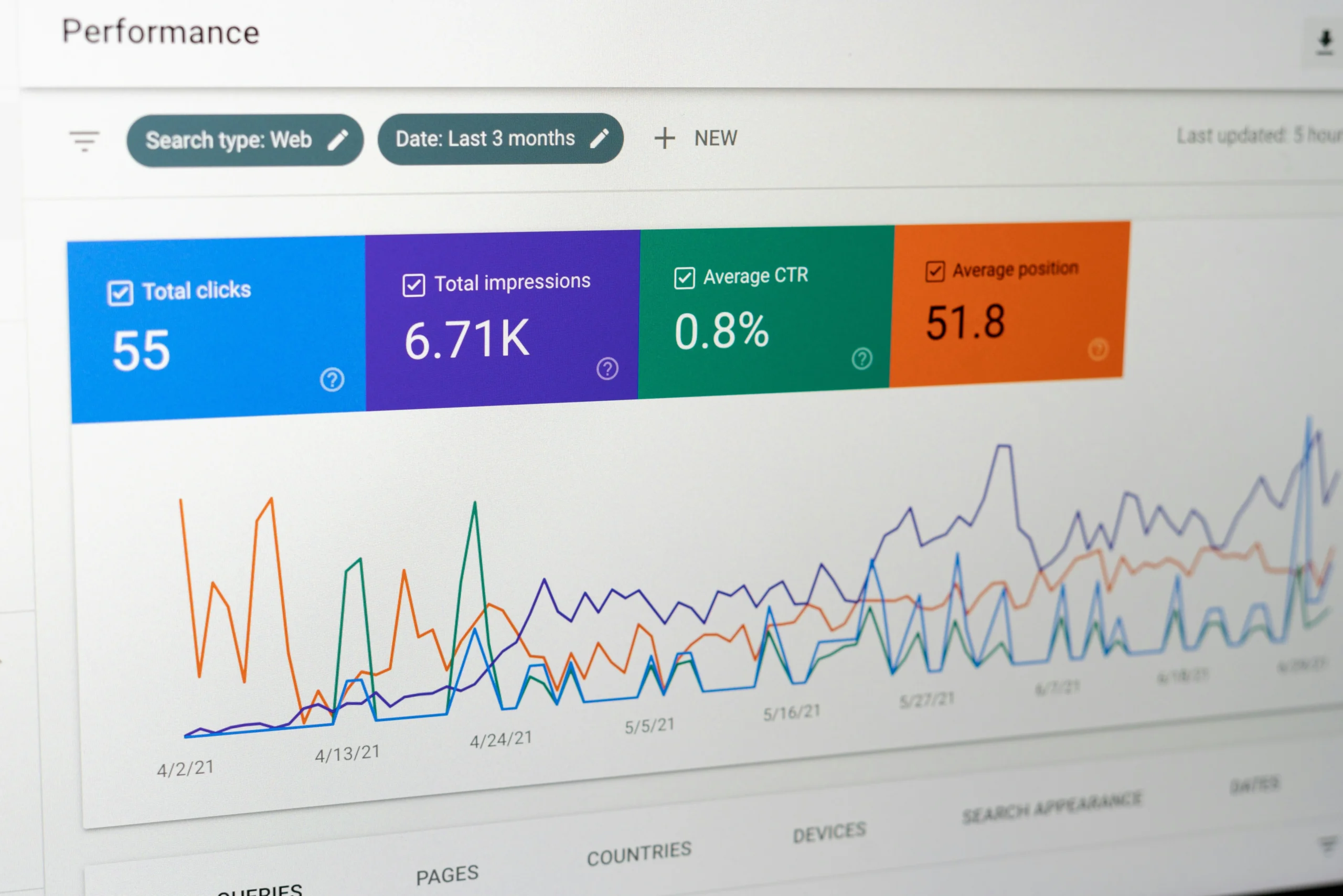
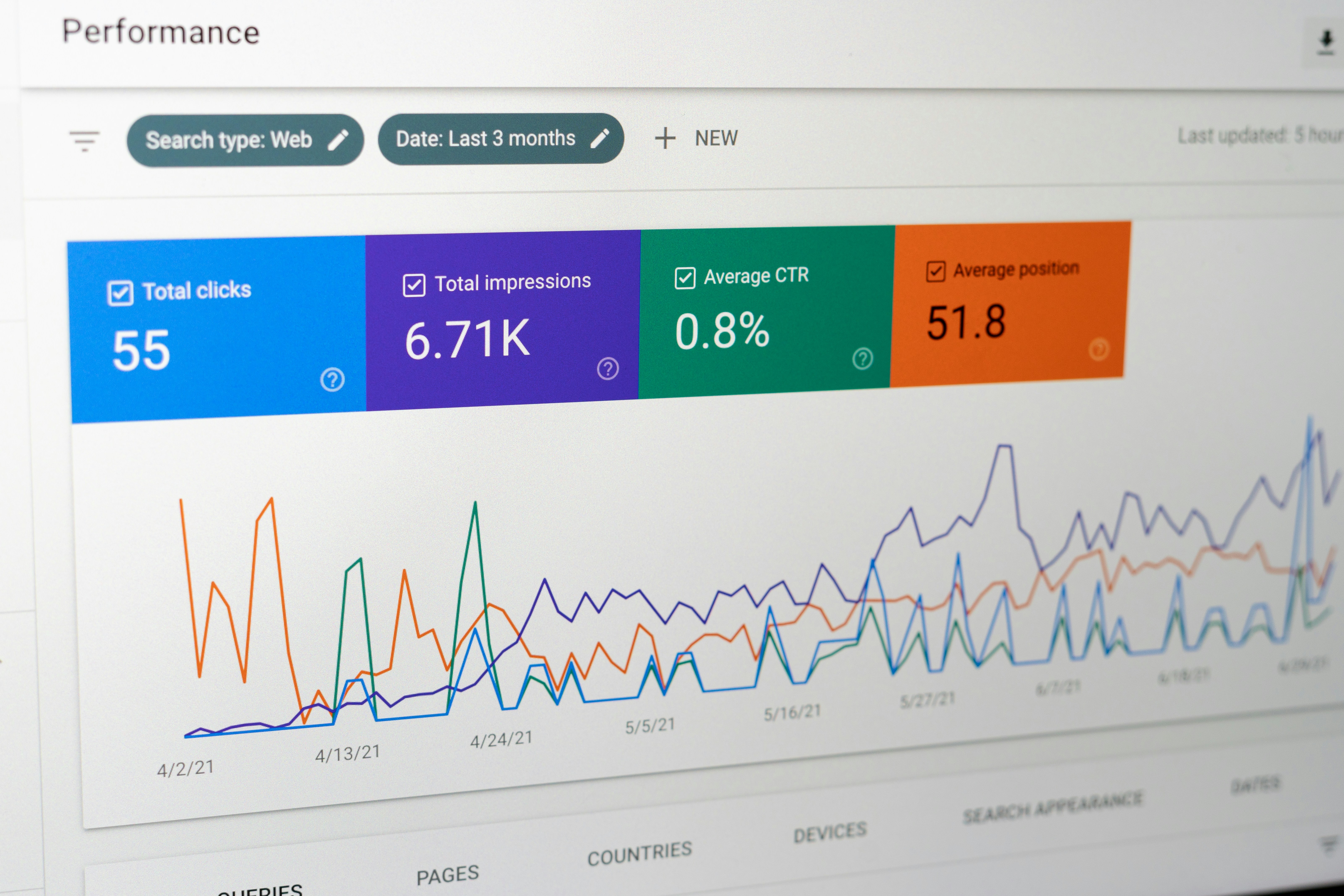
In the digital landscape, understanding the effectiveness of customer journey strategies is crucial for optimizing marketing efforts, and Google provides a robust array of tools to facilitate this measurement. Among these tools, Google Analytics stands out as a comprehensive resource that offers valuable insights into user behavior, conversion rates, and traffic sources. By employing Google Analytics, businesses can track website performance metrics and evaluate how visitors interact with various touchpoints along their journey.
One of the primary features of Google Analytics is its ability to monitor conversion tracking, which enables marketers to measure specific actions taken by users, such as completing a purchase, signing up for a newsletter, or downloading a resource. Establishing conversion goals assists organizations in identifying their success rates, thus enabling them to pinpoint areas for improvement. This strategic alignment ensures that marketing initiatives are effectively guiding users toward desired outcomes, optimizing the overall customer experience.
Furthermore, the integration of Google Ads with Google Analytics enhances the ability to evaluate the performance of paid advertising campaigns. Marketers can assess key metrics, such as click-through rates and return on ad spend, helping them make informed decisions about budget allocation and campaign adjustments. By analyzing this data, organizations can identify which marketing strategies resonate well with their target audience and optimize their tactics accordingly to enhance customer engagement.
Additionally, Google Tag Manager supplies an advanced system for tracking website interactions without needing extensive code. It simplifies the process of implementing tracking codes for various events, ensuring that all relevant data points are captured. As a result, businesses can gain a more comprehensive understanding of the customer journey and leverage these insights to drive meaningful improvements.
Future Trends: The Evolution of Google in Customer Journeys
As technology continues to advance, the role of Google within the customer journey is poised for significant transformation. Emerging trends such as voice search, artificial intelligence (AI), and personalization are reshaping consumer behavior and expectations. These developments not only affect how customers interact with search engines but also redefine how businesses approach their online presence.
Voice search technology has gained traction over the past few years, enabling users to access information hands-free and receive responses to queries instantly. This trend is fostering a more conversational search behavior, where customers are likely to use natural language instead of keyword strings. Consequently, businesses must adapt their content strategies to optimize for voice search, focusing on providing succinct answers to commonly asked questions. This evolution could lead Google to prioritize concise, informative content, thereby influencing the customer journey towards faster decision-making.
Artificial intelligence has revolutionized how Google processes search queries, enabling the algorithm to understand user intent better than before. With continuous improvements in machine learning and natural language processing, Google is increasingly capable of delivering personalized search results tailored to individual preferences and behaviors. Businesses that harness AI tools can create more targeted marketing strategies, establishing deeper connections with customers. The integration of AI into Google’s ecosystem signifies a pivotal shift towards a more personalized customer journey, providing users with relevant information and suggestions based on their unique profiles.
The trend of personalization extends beyond search results; it influences advertisements, emails, and website experiences. As users demand more tailored interactions, Google is likely to enhance its capabilities in delivering hyper-personalized content through its services. This shift will necessitate that businesses continually refine their messaging to resonate with their audiences effectively. By embracing these trends, companies will not only enhance their visibility on Google but also improve the overall experience throughout the customer journey.
Conclusion and Key Takeaways
Throughout this blog post, we have explored the significant influence that Google has on the customer journey. From the initial awareness phase to the final decision-making stage, Google plays a pivotal role in shaping customer experiences and behaviors. Understanding how Google affects each stage is essential for brands aiming to enhance their online presence and customer engagement.
At the awareness stage, Google serves as the primary search engine where potential customers seek information about products and services. Brands must ensure their online visibility through well-optimized content, employing SEO practices that align with Google’s algorithms. The research stage is equally significant; as customers read reviews and explore options, a brand’s reputation online reinforces their credibility. Utilizing Google My Business and gathering positive reviews can further bolster a brand’s standing.
During the consideration phase, Google facilitates comparisons through targeted advertisements and structured search results. It’s crucial for marketers to create informative content that highlights unique selling propositions. Effective use of Google Ads and retargeting strategies can increase brand awareness and influence customer selections. Finally, at the purchase stage, Google often acts as a catalyst. Ensuring seamless integration of e-commerce functionalities and user-friendly website designs can enhance conversion rates.
In light of the above findings, brands are encouraged to continuously optimize their digital marketing strategies to align with Google’s evolving algorithms and user preferences. Marketers should regularly assess their online performance and make data-driven adjustments. Implementing effective SEO strategies, enhancing customer engagement through positive feedback channels, and utilizing targeted advertising will be vital to navigating the complex customer journey successfully.
In summary, a comprehensive understanding of Google’s impact on the customer journey can empower brands to adopt more refined strategies, ultimately leading to increased customer satisfaction and loyalty. By prioritizing these actionable items, marketers can effectively forge stronger connections with their audience at every touchpoint.
