Close Menu
blog.ykthakur.com

    Subscribe to Updates

    Get the latest creative news from FooBar about art, design and business.

    What's Hot

    Personal Branding Without the Cringe: Building Professional Credibility That Actually Works

    February 6, 2026

    Career Resilience: How to Build a Job That Survives Layoffs, AI, and Market Shifts

    February 6, 2026

    From Individual Contributor to Leader: The Career Shift Most People Get Wrong

    February 6, 2026
    Facebook X (Twitter) Instagram
    blog.ykthakur.com
    • Home
    • About Me
    • Case Studies
    • Services
    • Contact Us
    Facebook X (Twitter) Instagram
    Subscribe
    • Blog
    • Search & Growth
      1. SEO
      2. Technical SEO
      3. SEM
      4. Paid Advertisements
      5. View All

      Why SEO Fails Even With the Right Tools and Data

      January 31, 2026

      How to Refresh Old Content Without Losing Rankings

      January 31, 2026

      How to Build a Topic Authority Map for SEO

      January 31, 2026

      E-E-A-T Signals Explained: What Actually Influences Trust and Rankings

      January 31, 2026

      XML Sitemaps at Scale: Signaling Priority, Not Forcing Indexation

      February 3, 2026

      Robots.txt at Scale: Control, Risk, and the Limits of Crawl Directives

      February 3, 2026

      Monitoring, Alerting, and SEO Observability: Seeing Failures Before Traffic Drops

      February 3, 2026

      Migrations, Releases, and SEO Risk: How Technical Changes Break Search at Scale

      February 3, 2026

      Scaling SEM Without Burning Budget

      January 31, 2026

      SEM vs SEO: How Paid Search Should Support Organic Growth

      January 31, 2026

      Quality Score Demystified: What Actually Improves SEM Performance

      January 31, 2026

      Brand vs Non-Brand Search: Budget Allocation Reality

      January 31, 2026

      Personal Branding Without the Cringe: Building Professional Credibility That Actually Works

      February 6, 2026

      Career Resilience: How to Build a Job That Survives Layoffs, AI, and Market Shifts

      February 6, 2026

      From Individual Contributor to Leader: The Career Shift Most People Get Wrong

      February 6, 2026

      The Non-Linear Career: Why the Best Careers No Longer Follow a Straight Path

      February 6, 2026
    • Performance & Infrastructure
      1. Website Performance
      2. Core Web Vitals
      3. Hosting Architecture
      4. Web Application Infrastructure
      5. Load Balancing
      6. View All

      Performance Drift: How Sites Get Slower Without Any One Bad Change

      February 3, 2026

      Why passing scores still hide systemic performance risk

      February 3, 2026

      Performance Monitoring Beyond Core Web Vitals

      February 3, 2026

      Personal Branding Without the Cringe: Building Professional Credibility That Actually Works

      February 6, 2026

      Career Resilience: How to Build a Job That Survives Layoffs, AI, and Market Shifts

      February 6, 2026

      From Individual Contributor to Leader: The Career Shift Most People Get Wrong

      February 6, 2026

      The Non-Linear Career: Why the Best Careers No Longer Follow a Straight Path

      February 6, 2026
    • AI & Automation
      1. AI Content Systems
      2. AI in SEO & Marketing
      3. AI Search Analysis
      4. AI-Driven SEO Workflows
      5. Generative AI Strategy
      6. View All

      AI Content Systems: How to Scale Without Losing Quality or Trust

      February 3, 2026

      AI in Marketing Is a System, Not a Toolset

      February 3, 2026

      SEO in a Zero-Click World: Designing for AI Answers and Visibility

      February 3, 2026

      AI Search Analysis: How LLMs Interpret and Surface Content

      February 3, 2026

      Using AI for Technical SEO Analysis Without Breaking Trust

      February 3, 2026

      AI-Driven SEO Workflows: What to Automate and What Not To

      February 3, 2026

      SEO in a Zero-Click World: Designing for AI Answers and Visibility

      February 3, 2026

      AI Search Analysis: How LLMs Interpret and Surface Content

      February 3, 2026

      Using AI for Technical SEO Analysis Without Breaking Trust

      February 3, 2026

      AI-Driven SEO Workflows: What to Automate and What Not To

      February 3, 2026

      Why Most AI SEO Implementations Fail

      February 3, 2026

      Human-in-the-Loop SEO: Where AI Stops and Judgment Starts

      February 3, 2026

      Personal Branding Without the Cringe: Building Professional Credibility That Actually Works

      February 6, 2026

      Career Resilience: How to Build a Job That Survives Layoffs, AI, and Market Shifts

      February 6, 2026

      From Individual Contributor to Leader: The Career Shift Most People Get Wrong

      February 6, 2026

      The Non-Linear Career: Why the Best Careers No Longer Follow a Straight Path

      February 6, 2026
    • Analytics & Intelligence
      1. GA4 Architecture
      2. Adobe Analytics
      3. View All

      GA4 vs Adobe Analytics: Choosing the Right Tool for Your Organization

      February 2, 2026

      Consent, Privacy, and Measurement: What Changes After GDPR & GA4

      February 2, 2026

      GA4 Architecture Explained: Designing Events for Real Decisions

      February 2, 2026

      GA4 vs Adobe Analytics: Choosing the Right Tool for Your Organization

      February 2, 2026

      Personal Branding Without the Cringe: Building Professional Credibility That Actually Works

      February 6, 2026

      Career Resilience: How to Build a Job That Survives Layoffs, AI, and Market Shifts

      February 6, 2026

      From Individual Contributor to Leader: The Career Shift Most People Get Wrong

      February 6, 2026

      The Non-Linear Career: Why the Best Careers No Longer Follow a Straight Path

      February 6, 2026
    • WebOps & DevOps
      1. Web Operations
      2. WebOps Roles
      3. Website Migrations & Scaling
      4. Release Management
      5. Monitoring & Alerts
      6. Performance Monitoring
      7. Deployment Automation
      8. View All

      SEO and WebOps Monitoring: Aligning Health Signals Across Systems

      February 3, 2026

      Designing Alerts for WebOps: Signal, Severity, and Actionability

      February 3, 2026

      Why Most Website Monitoring Is Too Late to Be Useful

      February 3, 2026

      Release Cadence Versus Stability: Finding the Sustainable Balance

      February 3, 2026

      Website Migrations at Scale: Why Most Fail Before the First Redirect

      February 3, 2026

      Post-Migration Reality: Why SEO and Performance Losses Persist for Months

      February 3, 2026

      Scaling Websites Without Replatforming: When Migration Is the Wrong Answer

      February 3, 2026

      Release Cadence Versus Stability: Finding the Sustainable Balance

      February 3, 2026

      Why Website Releases Break SEO Even When Nothing “Major” Changes

      February 3, 2026

      Release Management for Websites: Coordinating Risk Across Teams

      February 3, 2026

      Release Pipelines and Search Risk: Why Velocity Without Guardrails Breaks Websites

      February 3, 2026

      SEO and WebOps Monitoring: Aligning Health Signals Across Systems

      February 3, 2026

      Designing Alerts for WebOps: Signal, Severity, and Actionability

      February 3, 2026

      Why Most Website Monitoring Is Too Late to Be Useful

      February 3, 2026

      Feature Flags, Experiments, and the SEO Blast Radius

      February 3, 2026

      Performance Drift: How Sites Get Slower Without Any One Bad Change

      February 3, 2026

      Performance Monitoring Beyond Core Web Vitals

      February 3, 2026

      Designing SEO-Safe Deployment Automation

      February 3, 2026

      Deployment Automation for Websites: What to Automate and What Not To

      February 3, 2026

      Personal Branding Without the Cringe: Building Professional Credibility That Actually Works

      February 6, 2026

      Career Resilience: How to Build a Job That Survives Layoffs, AI, and Market Shifts

      February 6, 2026

      From Individual Contributor to Leader: The Career Shift Most People Get Wrong

      February 6, 2026

      The Non-Linear Career: Why the Best Careers No Longer Follow a Straight Path

      February 6, 2026
    • Project Strategy

      Personal Branding Without the Cringe: Building Professional Credibility That Actually Works

      February 6, 2026

      Career Resilience: How to Build a Job That Survives Layoffs, AI, and Market Shifts

      February 6, 2026

      From Individual Contributor to Leader: The Career Shift Most People Get Wrong

      February 6, 2026

      The Non-Linear Career: Why the Best Careers No Longer Follow a Straight Path

      February 6, 2026

      How to Stay Relevant When Roles Are Changing Faster Than Job Descriptions

      February 6, 2026
    • Web Engineering
      1. Web Development
      2. Web Designing & UX
      3. CMS & Platforms
      4. Web Application Firewall
      5. View All

      Personal Branding Without the Cringe: Building Professional Credibility That Actually Works

      February 6, 2026

      Career Resilience: How to Build a Job That Survives Layoffs, AI, and Market Shifts

      February 6, 2026

      From Individual Contributor to Leader: The Career Shift Most People Get Wrong

      February 6, 2026

      The Non-Linear Career: Why the Best Careers No Longer Follow a Straight Path

      February 6, 2026
    blog.ykthakur.com
    Home»Marketing»Mastering Google Ads: Crafting a Winning Strategy
    Marketing

    Mastering Google Ads: Crafting a Winning Strategy

    Yashwant KumarBy Yashwant KumarOctober 28, 2025Updated:January 30, 2026No Comments7 Mins Read
    Share Facebook Twitter Pinterest LinkedIn Tumblr Email
    Follow Us
    Google News Flipboard Threads
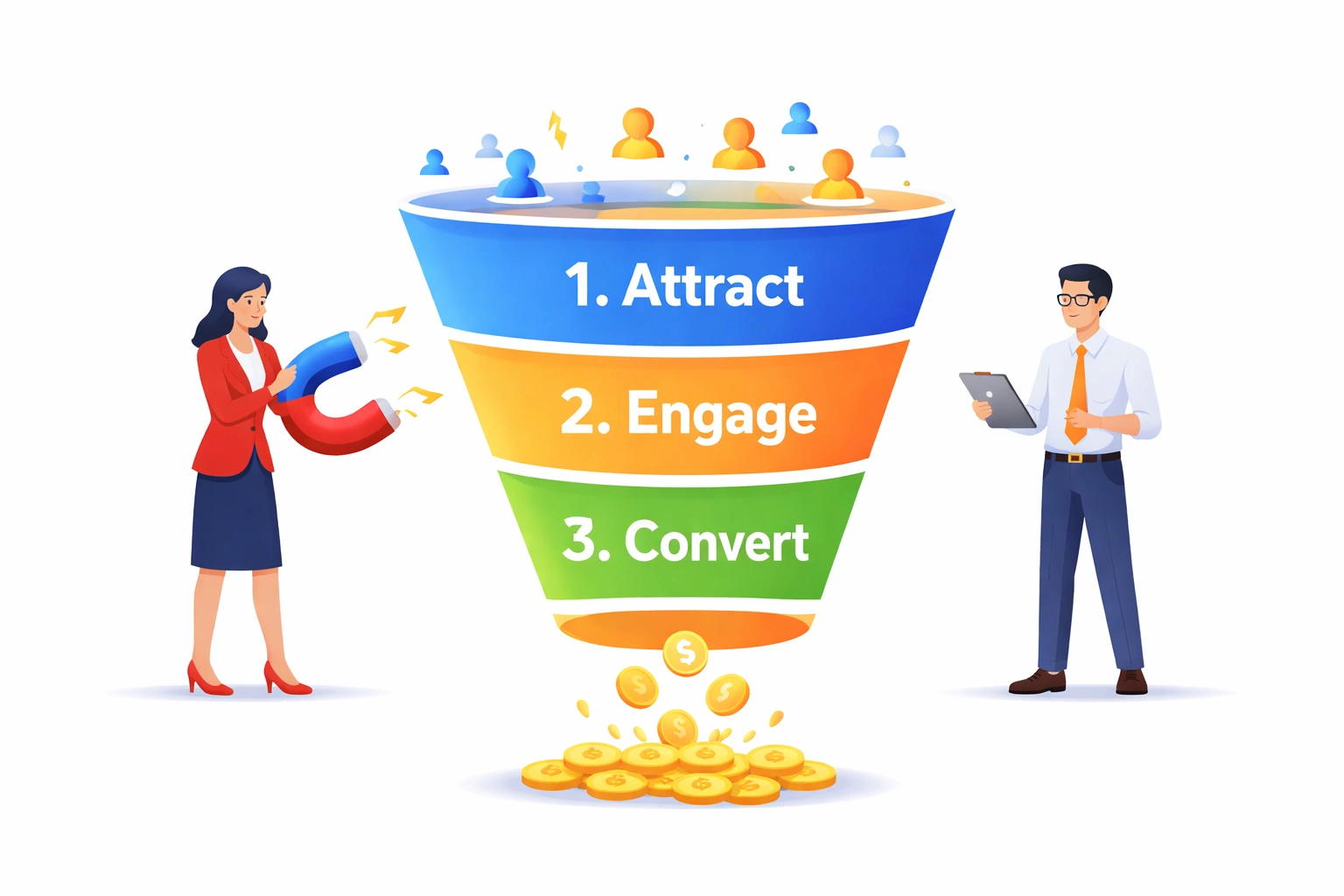
    Funnel Conversion 1024x683
    Share
    Facebook Twitter LinkedIn Pinterest Email


    Understanding Google Ads: The Basics

    Google Ads serves as a prominent online advertising platform that allows businesses to promote their products and services through paid marketing approaches. It operates on a pay-per-click (PPC) model, meaning that advertisers pay a fee each time their ad is clicked. This process helps businesses gain visibility on search engine results pages (SERPs) and across various Google-affiliated websites.

    The structure of Google Ads is designed to enhance organizational efficiency and optimize ad performance. At its core, Google Ads is segmented into campaigns, ad groups, and keywords. Campaigns are the highest level of organization, encompassing a set of related ad groups that target specific marketing objectives. Within each campaign, ad groups house keywords and relevant ads. Each keyword plays a critical role in triggering ads, enabling them to appear when users enter corresponding search queries. Selecting the right keywords is essential for connecting with the intended audience, as it aligns your campaigns with the search behaviors of potential customers.

    Moreover, the platform offers various ad formats, such as text ads, display ads, shopping ads, and video ads, allowing businesses to choose the format that best suits their marketing strategy. The flexibility to target specific demographics and geographic locations further empowers advertisers to tailor their campaigns effectively. Understanding these foundational components of Google Ads is crucial for marketers. A solid grasp of how campaigns, ad groups, keywords, and ad formats interplay can help in optimizing advertising strategy and improving the overall return on investment (ROI).

    In essence, mastering the basics of Google Ads not only streamlines the advertising process but also facilitates a more effective engagement with potential customers, making it an invaluable asset in today’s competitive digital landscape.

    Defining Your Goals and Objectives

    Setting clear and measurable goals is the cornerstone of any successful advertising campaign, particularly in Google Ads. Without a well-defined objective, it may become challenging to assess effectiveness and optimize efforts. When crafting your strategy, consider what the primary focus of your campaign will be. Common objectives include brand awareness, lead generation, and direct sales, each serving distinct purposes.

    Brand awareness focuses on increasing the visibility of your products or services. This goal is particularly relevant for businesses looking to establish their reputation or launch new offerings. Effective strategies for achieving this objective may include targeting an audience that aligns with your brand’s image and leveraging compelling ad creatives that resonate with potential customers.

    Lead generation, on the other hand, targets collecting contact information from interested prospects. This objective is pivotal for businesses seeking to nurture relationships and convert potential customers over time. An efficient approach to achieving lead generation involves providing value through informative content or exclusive offers, encouraging visitors to engage further with your brand.

    Direct sales are focused on encouraging immediate purchases. Advertisers aiming for this objective must create ads that clearly communicate the benefits of their products while ensuring that the landing page offers a seamless shopping experience. Aligning these goals with the needs of your target audience enhances your chances of success.

    Defining key performance indicators (KPIs) is also crucial. KPIs should align with the objectives established, providing measurable metrics to track progress and outcomes. For instance, if the goal is brand awareness, metrics could include impressions and reach. Conversely, for sales-focused campaigns, conversion rates and return on ad spend (ROAS) would be more relevant. By outlining your objectives clearly and mapping the appropriate KPIs, you set the foundation for a data-informed approach that can adapt and evolve with campaign performance.

    Developing Your Google Ads Strategy

    Creating a successful Google Ads strategy requires a comprehensive approach that integrates various components essential for driving targeted traffic and achieving business goals. The first step is to establish clear objectives for the campaign. Whether aiming to boost sales, increase brand awareness, or generate leads, having specific goals guides the entire strategy.

    Once objectives are defined, the next critical aspect is audience targeting. Identifying your target audience ensures that your ads are shown to the right people. Utilize customer personas, demographic data, and user behavior insights to narrow down your target market. Google Ads offers advanced targeting options such as location targeting, which allows advertisers to focus on specific geographic regions, and audience targeting, which includes remarketing lists to reach previous site visitors.

    Keyword selection plays a pivotal role in your strategy as it directly influences ad visibility. Conduct thorough keyword research using tools like Google Keyword Planner to identify high-performing keywords relevant to your business. Incorporating long-tail keywords can improve targeting precision and reduce competition, ultimately enhancing campaign performance.

    Ad creation is another fundamental element of your Google Ads strategy. Craft compelling ad copy that clearly conveys your unique selling proposition and includes a strong call-to-action (CTA). Utilize ad extensions, such as sitelinks and callouts, to enrich your ads and provide users with more information to aid their decision-making process.

    Budget management is essential to ensure that your campaign remains financially viable. Determine your overall budget and allocate funds wisely across different campaigns and ad groups. Implementing daily budgets helps control spending while optimizing bids for maximum visibility and returns on investment.

    Finally, incorporate A/B testing to evaluate different elements within your ads. Test variations of ad copy, headlines, and landing pages to determine what resonates best with your audience. Continuous optimization based on performance data is crucial for refining your strategy and achieving better campaign results over time.

    Measuring Success and Optimization Techniques

    Effective measurement of campaign performance is crucial for the success of any Google Ads strategy. To determine the efficacy of advertising efforts, it is vital to track key metrics such as click-through rates (CTR), conversions, and return on ad spend (ROAS). The click-through rate provides insights into how well an ad is resonating with its target audience. A higher CTR indicates that the ad is compelling and relevant, while a low CTR may suggest the need for creative adjustments or better targeting.

    Conversions are another critical performance indicator, representing the completion of desired actions by users, such as purchases or sign-ups. Tracking conversions helps advertisers assess the impact of their campaigns on business goals. Additionally, understanding the return on ad spend is essential, as it allows marketers to evaluate the profitability of their advertising efforts. A positive ROAS indicates that the ads are yielding more revenue than what is being spent on them, thereby justifying the investment.

    Utilizing tools like Google Analytics and Google Ads itself can enhance the analysis process. These platforms enable advertisers to create regular reports showcasing performance metrics, providing a tangible overview of campaign success. These insights can then inform adjustments in bidding strategies, allowing for real-time optimization based on performance data. For instance, increasing bids on high-performing keywords while decreasing bids on underperforming ones can maximize conversions while managing costs effectively.

    Moreover, incorporating customer feedback plays a significant role in refining future campaigns. By understanding customer behavior and preferences, advertisers can tailor their strategies to better meet the needs of their audience. This approach not only enhances the relevance of the advertisements but also fosters stronger connections with potential customers.

    In conclusion, measuring success through meticulous tracking of pertinent metrics and continuously optimizing campaigns is vital for mastering Google Ads. Implementing these techniques will facilitate informed decision-making, ultimately leading to improved campaign performance.

    google ads
    Share. Facebook Twitter Pinterest LinkedIn Tumblr Email
    Yashwant Kumar

    Related Posts

    10 Proven Steps to Boost Your Audience for Google Ads

    October 28, 2025

    Understanding Google’s Impact on the Customer Journey

    October 28, 2025

    Leveraging Google Ads in Digital Marketing: A Comprehensive Guide

    October 28, 2025
    Leave A Reply Cancel Reply

    Don't Miss

    Personal Branding Without the Cringe: Building Professional Credibility That Actually Works

    yashwant160@gmail.comFebruary 6, 2026

    Personal branding has a reputation problem. Too often, it’s confused with self-promotion, performative posting, or…

    Career Resilience: How to Build a Job That Survives Layoffs, AI, and Market Shifts

    February 6, 2026

    From Individual Contributor to Leader: The Career Shift Most People Get Wrong

    February 6, 2026

    The Non-Linear Career: Why the Best Careers No Longer Follow a Straight Path

    February 6, 2026
    Stay In Touch
    • Facebook
    • Twitter
    • Pinterest
    • Instagram
    • YouTube
    • Vimeo

    Subscribe to Updates

    Get the latest creative news from SmartMag about art & design.

    About Us

    Results-driven digital professional with 15+ years of experience across Web Operations, Enterprise SEO, and large-scale digital platforms. I specialize in building, scaling, and optimizing complex websites where performance, search visibility, and operational reliability must work together—not in silos. My work sits at the intersection of strategy and execution, translating business goals into systems that teams can actually run.

    Facebook X (Twitter) Pinterest YouTube
    Our Picks

    Personal Branding Without the Cringe: Building Professional Credibility That Actually Works

    February 6, 2026

    Career Resilience: How to Build a Job That Survives Layoffs, AI, and Market Shifts

    February 6, 2026

    From Individual Contributor to Leader: The Career Shift Most People Get Wrong

    February 6, 2026
    Most Popular

    Top 15 popular link building methods you should consider before it’s too late

    March 24, 20180 Views

    Quality Score Demystified: What Actually Improves SEM Performance

    January 31, 20260 Views

    How SEO, SEM, Email, and Paid Social Should Work Together

    February 2, 20260 Views
    © 2026 All rights reserved. Y. K. Thakur.
    • Home
    • Technical SEO
    • World
    • Lifestyle
    • Buy Now

    Type above and press Enter to search. Press Esc to cancel.